This article explores the intricate workings of your home’s HVAC system, focusing on the vital roles of evaporator and condenser coils. These two components work together to help cool your home during those hot summer months. This guide is worth reading because it provides a clear understanding of how these coils function, their importance in the cooling process, and why proper maintenance is crucial to the energy efficiency of your air conditioning system, ultimately saving you money and ensuring year-round comfort. It will also explain the difference between evaporator and condenser coils, and how to know when to schedule an appointment with a professional for repair.
1. The Basics: How Does Your Air Conditioner Cool Your Home?
Your air conditioner is more than just a device that blows cool air; it’s a complex system designed to remove heat and humidity from your home’s interior. At the heart of this cooling system lies a continuous cycle involving a specialized fluid called refrigerant. This fluid has the unique property of easily changing between liquid and gas states, which is key to the cooling process. Refrigerant is essential to cool your home.
The air conditioning process relies heavily on two main components: the condenser coil and the evaporator coil. The evaporator and condenser coils work together. These two coils are connected by a closed loop of tubing, through which the refrigerant circulates. As the refrigerant transitions between its liquid and gaseous forms, it absorbs heat from the indoor air and releases it outdoors. The two coils work together to remove heat from the house. This constant process of absorbing heat and releasing it is how your air conditioning system keeps your home cool and comfortable.
2. What is a Condenser Coil and How Does it Work?
The condenser coil is a vital component of your air conditioner’s condenser, typically located outside in the outdoor unit. It plays a crucial role in the cooling process by releasing the heat absorbed by the refrigerant from your home’s interior. It is part of the outdoor condenser. Condenser coils work by releasing heat.
Here’s a breakdown of how condenser coils work:
- Arrival of Hot Refrigerant: After absorbing heat from your home, the refrigerant, now in a hot, gaseous state, travels to the outdoor unit and enters the compressor. The compressor increases the pressure of the refrigerant, which makes it even hotter.
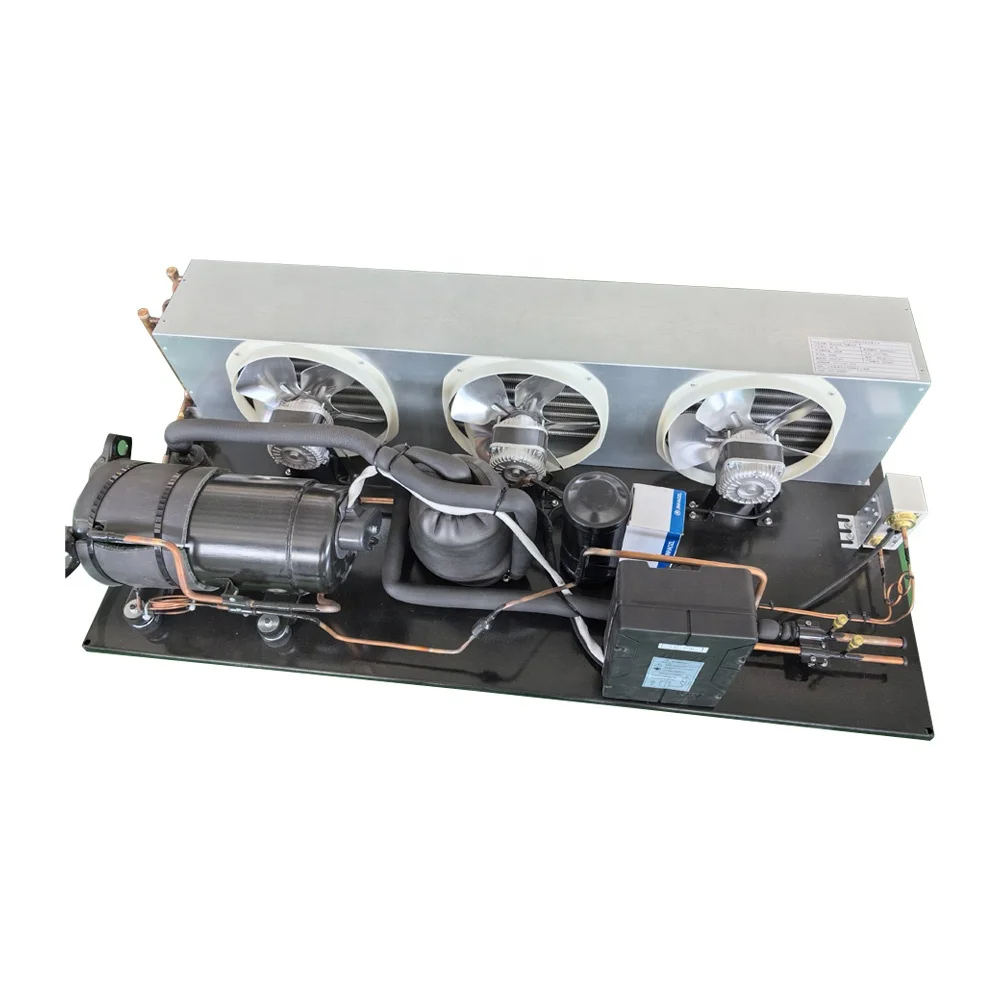
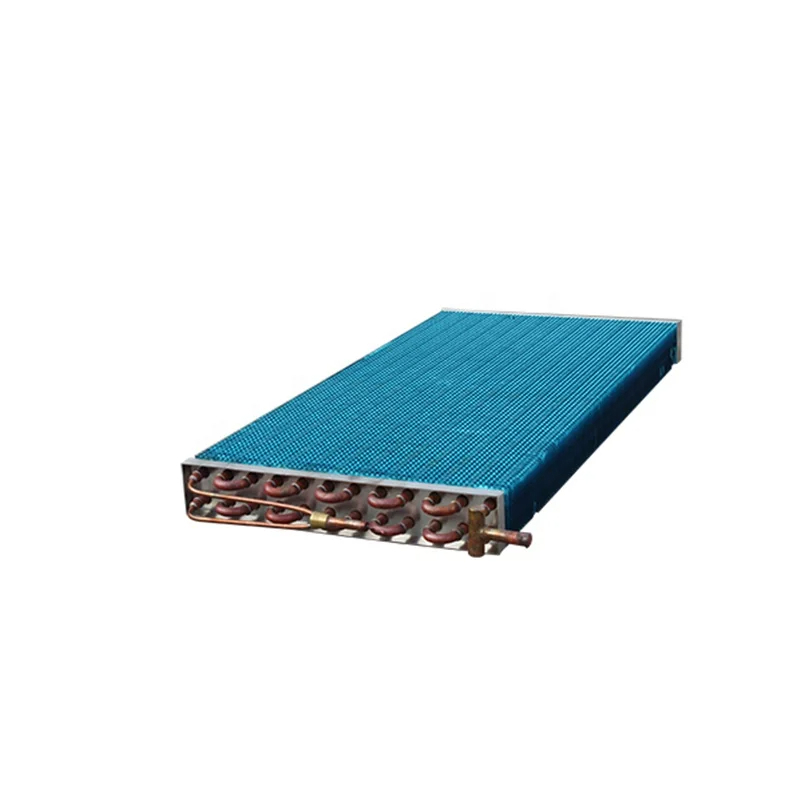
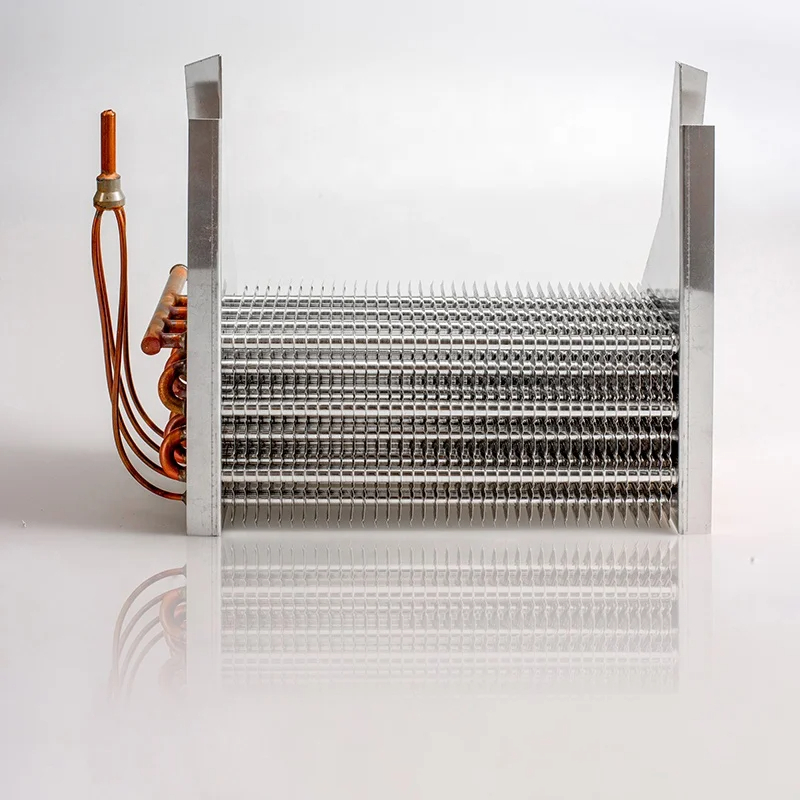
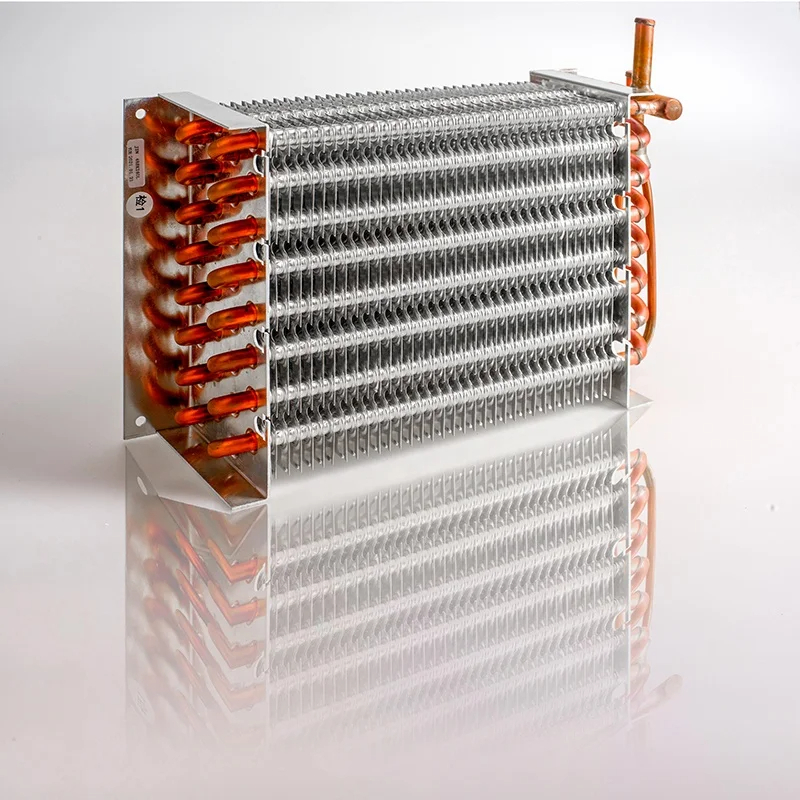
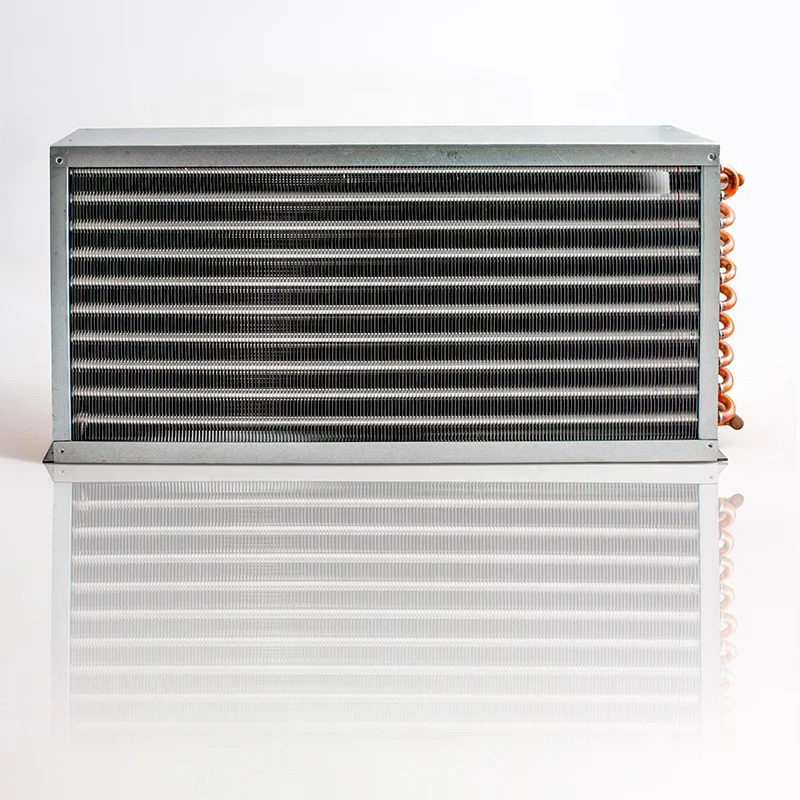
- Condensation Process: The hot, high-pressure refrigerant then flows through the condenser coil. The condenser is typically made of copper tubes with aluminum fins attached. These fins increase the surface area for heat dissipation. This is how the coil works to release heat.
- Heat Release: A fan, called the condenser fan, within the outdoor unit blows air across the condenser coil. As the outside air passes over the coil, the heat from the refrigerant is transferred to the air. The refrigerant releases heat in this process.
- State Change: As heat is released, the refrigerant cools down and condenses back into a liquid state.
- Return to Evaporator: The now liquid refrigerant leaves the condenser and travels back towards the indoor unit to continue the cooling cycle. The liquid refrigerant travels back to the evaporator coil.
The condenser coil is essential for rejecting the heat absorbed from your home’s interior. Without a properly functioning condenser coil, your air conditioner wouldn’t be able to cool your home effectively. The condenser coils and evaporator coils work together to keep your house cool.
3. What is an Evaporator Coil? A Deep Dive into its Function
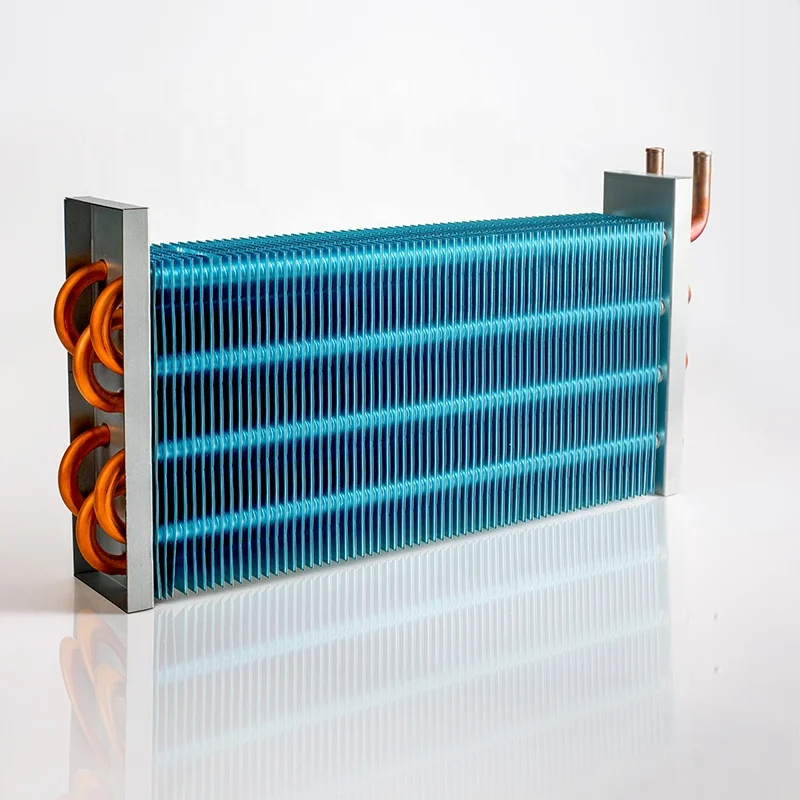
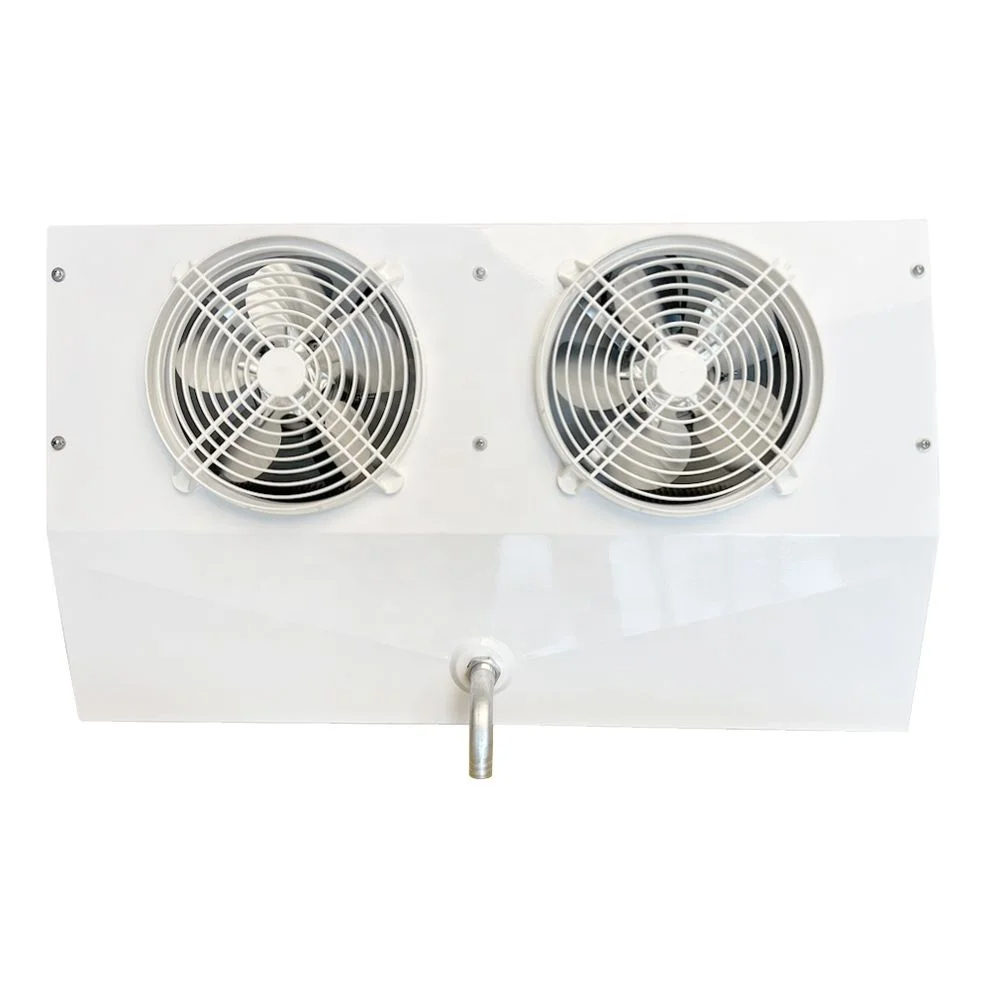
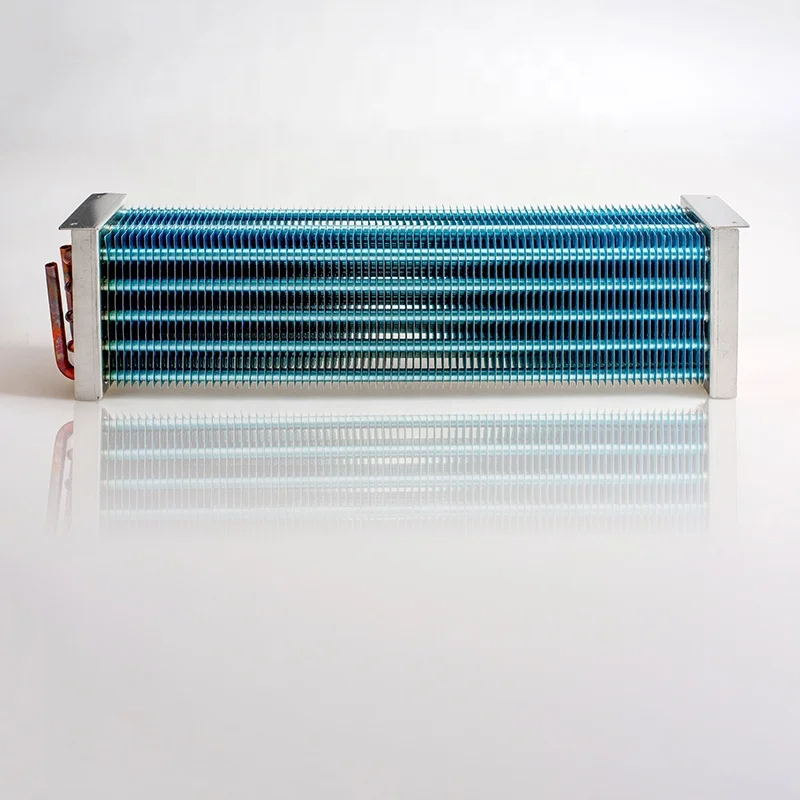
The evaporator coil is the other half of the cooling duo in your HVAC system. Its primary function is to absorb heat from the air inside your home, thus cooling the air that is then circulated throughout your house. The evaporator coil is located inside your home, typically within the air handler or furnace unit. Evaporator coils are typically made of copper or aluminum. They are often designed in an A-shape or other configurations to maximize surface area for efficient heat exchange.
Here’s a closer look at how the evaporator coil functions:
- Warm Air Intake: Warm air from your home is drawn into the air handler unit by a blower fan.
- Heat Absorption: The warm air passes over the cold evaporator coil. The liquid refrigerant inside the coil absorbs the heat from the indoor air. The refrigerant flows through the evaporator and absorbs heat.
- Evaporation: As the refrigerant absorbs heat, it undergoes a phase change, evaporating from a liquid to a cool gas.
- Cooling the Air: The process of absorbing heat cools the surrounding air around the evaporator coil. The air conditioner can now blow cool air into your home.
- Circulation of Cool Air: The blower fan then circulates the cooled air back into your home through the ductwork, reducing the indoor temperature.
The evaporator coil is typically made from copper, aluminum, or steel, often arranged in an A-shape, N-shape, or slab design to increase surface area and enhance heat transfer. The coil is connected to a system of copper or aluminum tubing that carries the refrigerant throughout the air conditioning system.
4. How Do Condenser Coils and Evaporator Coils Work Together?
The condenser coils and evaporator coils are interconnected components of a closed-loop system that work in harmony to cool your home. They rely on each other to complete the refrigeration cycle. Condenser coils and evaporator coils are essential to the cooling process.
Here’s a simplified explanation of how the condenser coils work together with the evaporator coils:
- Heat Absorption: The evaporator coil absorbs heat from indoor air, causing the liquid refrigerant within the coil to evaporate into a gas.
- Compression: The refrigerant, now a warm gas, travels to the compressor in the outdoor unit. The compressor pressurizes the gas, significantly increasing its temperature. The refrigerant then enters the compressor.
- Heat Rejection: The hot, high-pressure gas then flows through the condenser coil. The condenser fan in the outdoor unit blows air across the coil, transferring the heat from the refrigerant to the outdoor air. As the refrigerant releases heat, it cools down and condenses back into a liquid.
- Expansion: The now-liquid refrigerant passes through the expansion valve, a device that reduces its pressure and temperature.
- Cycle Repetition: The cooled, low-pressure liquid refrigerant returns to the evaporator coil to absorb more heat, and the cycle repeats continuously as long as the air conditioner is running. The unit then blows air across the coil to cool the house.
This continuous cycle of heat absorption, compression, heat rejection, and expansion, facilitated by the evaporator and condenser coils, is what allows your air conditioning system to cool your home effectively.
5. Where are the Condenser and Evaporator Coils Located?
Knowing the location of your condenser and evaporator coils is helpful for understanding how your air conditioning system works. It is also useful for performing basic maintenance, and troubleshooting potential issues. Here’s where you can find these essential components:
- Condenser Coil: The condenser coil is located within the outdoor unit of your air conditioning system. This unit, also known as the condenser unit, is typically situated on a concrete pad outside your home, usually on the side or in the back. The condenser coil itself is usually wrapped around the interior of the unit, behind a protective grille or metal casing. It is designed to facilitate heat transfer to the outdoor air. The condenser fan is also in this unit.
- Evaporator Coil: The evaporator coil is located inside your home, typically within the indoor unit of an air conditioning system. It is often positioned inside the air handler or furnace cabinet. The evaporator coil is situated downstream from the air filter and just before the blower fan. This ensures that the air from your home passes over it before being cooled and circulated through the ductwork.
Understanding the locations of these coils can help you perform basic maintenance tasks, such as cleaning or inspecting them. It can also aid in diagnosing potential problems with your AC system.
6. What are the Different Materials Used in Coils?
The material used in the construction of evaporator and condenser coils plays a significant role in their performance, durability, and resistance to corrosion. Here are the common materials used for air conditioning coils:
- Copper: Copper has long been the traditional material for both evaporator and condenser coils due to its excellent heat transfer properties, durability, and resistance to corrosion. Copper is an efficient conductor of heat, allowing for rapid and effective heat exchange between the refrigerant and the surrounding air. Copper tubing is also relatively easy to repair if a leak develops. These coils are typically made of copper.
- Aluminum: Aluminum has become increasingly popular in recent years, particularly for condenser coils. It is generally less expensive than copper and offers good heat transfer capabilities. However, aluminum is more prone to corrosion, especially in coastal environments with high salt content in the air. To combat this, many manufacturers use specialized coatings or alloys to enhance corrosion resistance. Aluminum is also a popular choice.
- Spine Fin Coils: This is a specific type of coil design often used for condenser coils. Spine fin coils use aluminum fins that are tightly wound around the copper tube, creating a large surface area for heat transfer. These coils are known for their high efficiency and resistance to corrosion. They are typically made of copper tubes with aluminum fins.
This table provides an overview of the materials commonly used in evaporator and condenser coils:
| Material | Advantages | Disadvantages | Common Uses |
|---|
| Copper | – Excellent heat transfer properties
– Durable and long-lasting
– Naturally resistant to corrosion
– Easy to repair | – More expensive than aluminum
– Can be susceptible to formicary corrosion in certain environments | Evaporator and condenser coils, refrigerant lines |
| Aluminum | – Less expensive than copper
– Good heat transfer capabilities
– Lightweight | – More prone to corrosion, especially galvanic corrosion when coupled with copper
– More difficult to repair than copper | Primarily condenser coils, some evaporator coils |
| Spine Fin Coils | -High efficiency heat transfer due to large surface area
– Good corrosion resistance | More difficult to clean than traditional fin designs | Condenser Coils |
The choice of material used in the coils often depends on factors such as cost, desired efficiency, environmental conditions, and the manufacturer’s design preferences.
7. How Do I Know if My Coils Need Attention?
Several signs may indicate that your evaporator or condenser coils require attention, such as cleaning, repair, or even replacement. If you notice any of the following, it’s a good idea to inspect your coils or schedule an appointment with a qualified HVAC technician:
- Reduced Cooling Performance: If your air conditioner struggles to cool your home effectively, or if it takes longer than usual to reach the desired temperature, dirty or malfunctioning coils could be the cause.
- Increased Energy Bills: A sudden spike in your energy bills without a corresponding increase in usage may suggest that your AC system is working harder due to coil issues, leading to reduced energy efficiency.
- Ice Buildup: Ice formation on the evaporator coil or refrigerant lines is a clear sign of a problem. It often indicates restricted airflow (possibly due to dirty coils) or low refrigerant levels.
- Short Cycling: If your air conditioner turns on and off frequently (short cycling), it could be due to a variety of factors, including coil problems that affect the system’s ability to regulate temperature properly.
- Unusual Noises: Strange noises emanating from either the indoor or outdoor unit, such as hissing, gurgling, or clanging, may point to coil issues or problems with the refrigerant flow.
- Water Leaks: Leaks around the indoor air handler unit can sometimes be attributed to problems with the evaporator coil, such as a clogged condensate drain line or a cracked drain pan.
If you experience any of these symptoms, it’s crucial to address them promptly. Ignoring coil problems can lead to further damage, reduced system efficiency, and potentially costly repairs or replacements.
8. DIY vs. Professional Cleaning: What’s Best for Your Coils?
When it comes to cleaning your evaporator and condenser coils, you have two primary options: do-it-yourself (DIY) or hire a professional HVAC technician. The best choice depends on several factors, including your comfort level, the condition of your coils, and your budget.
DIY Cleaning:
- Pros: Can be a cost-effective option for routine cleaning of accessible coils, particularly condenser coils. It is a good option if you are comfortable working on your air conditioning unit, and it can save money.
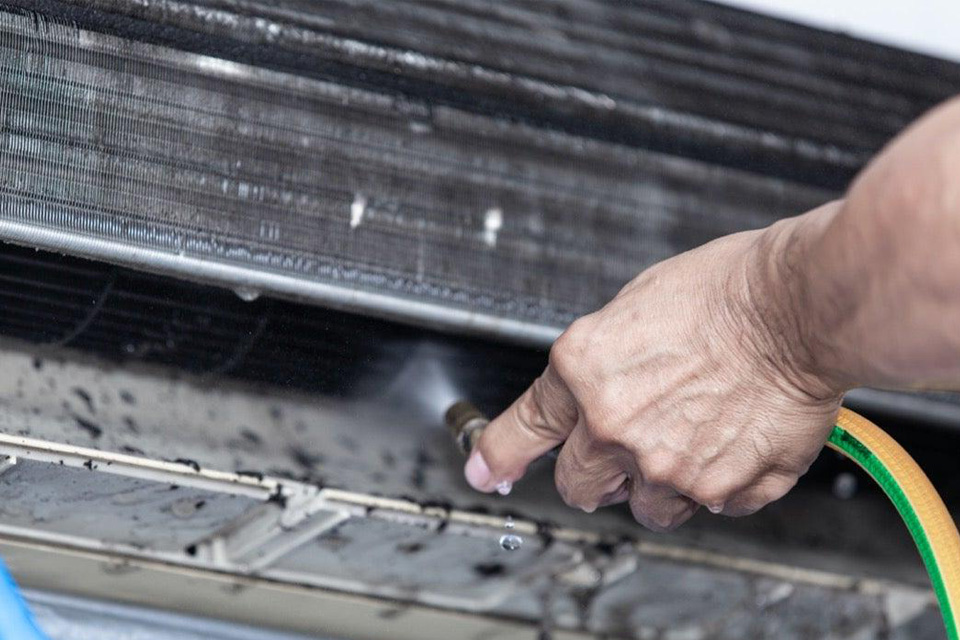
- Cons: May not be as thorough as professional cleaning, especially for evaporator coils, which are often harder to access. There’s also a risk of damaging the delicate fins or other components if not done carefully. Using the wrong cleaning solution can also cause damage.
Professional Cleaning:
- Pros: Ensures a thorough cleaning of both the evaporator and condenser coils, including hard-to-reach areas. HVAC professionals have the right tools and expertise to clean your coils without causing damage. They can also inspect your system for other potential issues during the cleaning process.
- Cons: More expensive than DIY cleaning. Requires scheduling an appointment and accommodating the technician’s visit.
Ultimately, the decision depends on your comfort level and the specific circumstances. If your coils are only mildly dirty and you’re comfortable following proper cleaning procedures, DIY cleaning can be an option. However, if your coils are severely dirty, if you suspect damage, or if you’re simply not comfortable working on your air conditioning system, hiring a professional is the safest and most effective choice.
9. How Does Regular HVAC Maintenance Impact Coil Performance?
Regular HVAC maintenance, including coil cleaning and inspection, is essential for maintaining the performance, efficiency, and longevity of your air conditioning system. Here’s how it impacts your coils:
- Optimal Heat Transfer: Clean coils facilitate efficient heat transfer. The evaporator coil can readily absorb heat from indoor air, and the condenser coil can effectively release that heat to the outside air. This ensures that your system doesn’t have to work as hard to cool your home.
- Improved Energy Efficiency: When heat transfer is optimized, your air conditioner consumes less energy to achieve the desired indoor temperature, resulting in lower energy bills. Regular HVAC maintenance is important for energy efficiency.
- Prevention of Costly Repairs: Routine maintenance can help identify and address minor issues, such as small refrigerant leaks or slightly bent fins, before they escalate into major problems that require expensive repairs or coil replacements.
- Extended System Lifespan: By keeping the coils clean and the system well-maintained, you reduce wear and tear on components like the compressor and condenser fan motor, potentially extending the overall lifespan of your air conditioning unit.
- Proper Refrigerant Levels: During maintenance visits, technicians check and adjust refrigerant levels as needed. Maintaining the correct refrigerant charge is crucial for the proper functioning of both the evaporator and condenser coils. Refrigerant is used to absorb heat.
Investing in annual HVAC maintenance, including professional coil cleaning, is an investment in the long-term health and efficiency of your air conditioning system.
10. How Do I Choose the Right HVAC Professional for Coil Maintenance?
Choosing the right HVAC professional for coil maintenance and other air conditioning services is crucial for ensuring the job is done correctly and your system is well cared for. Here are some tips for finding a qualified and reliable technician:
- Check for Licensing and Certification: Ensure that the HVAC contractor and technicians are properly licensed and certified to work on air conditioning systems in your area. Look for certifications from reputable organizations like North American Technician Excellence (NATE).
- Verify Insurance: Make sure the company carries liability insurance and workers’ compensation insurance to protect you in case of accidents or damage during the work.
- Read Reviews and Testimonials: Look for online reviews and testimonials from other customers to gauge the company’s reputation and the quality of their service.
- Get Multiple Quotes: Obtain quotes from at least three different HVAC contractors to compare prices, services, and warranties. Be wary of significantly lower-than-average quotes, as they may indicate a lack of experience or subpar work.
- Ask About Experience: Inquire about the company’s experience specifically with coil cleaning and maintenance. Ask how long they’ve been in business and whether their technicians are trained on the latest air conditioning technologies.
- Inquire About Services Offered: Choose a company that offers comprehensive HVAC services, including inspections, cleaning, repairs, and replacements. This ensures that they can handle any potential issues that may arise with your system.
- Discuss Maintenance Plans: Ask about preventative maintenance plans or agreements. Regular maintenance can help keep your coils clean and your system running efficiently, potentially saving you money in the long run.
- Evaluate Communication and Professionalism: Pay attention to how responsive and professional the company is in their communication. A reputable company will answer your questions thoroughly, provide clear explanations, and treat you with respect.
- Check for Warranties: Inquire about warranties on both labor and parts. A reputable company will stand behind their work and offer warranties to provide you with peace of mind.
- Trust Your Instincts: Ultimately, choose an HVAC professional that you feel comfortable with and trust. If something doesn’t feel right or if you have any doubts, it’s okay to seek a second opinion.
By taking the time to research and select a qualified HVAC professional, you can ensure that your coils and your entire air conditioning system receive the proper care and maintenance they need to operate efficiently and reliably. They will also be able to provide product help if needed.
Conclusion: Key Takeaways
- The evaporator and condenser coils are essential components of your air conditioning system. They are responsible for absorbing and releasing heat to cool your home.
- The condenser coil is part of your air conditioner’s condenser, located in the outdoor unit, and releases heat absorbed from inside your home to the outdoor air.
- The evaporator coil, located in the indoor unit, absorbs heat from the indoor air, cooling it before it’s circulated throughout your home. It is typically made of copper, but can also be made from aluminum.
- Condenser coils and evaporator coils work together in a continuous cycle, with the refrigerant changing states between liquid and gas to facilitate heat transfer. The two coils work together to cool your home.
- The refrigerant absorbs heat in the evaporator coil, turning into a gas, then releases that heat in the condenser coil, turning back into a liquid. The refrigerant is essential to the cooling process.
- Coils are typically made of copper or aluminum, often with aluminum fins to increase surface area for efficient heat exchange. Spine fin coils are another option.
- Regular coil cleaning, at least once a year, is crucial for maintaining the efficiency and longevity of your AC system. It is an important part of HVAC maintenance.
- Signs that your coils need attention include reduced cooling capacity, increased energy bills, ice buildup, unusual noises, and water leaks.
- While some homeowners may be comfortable with DIY coil cleaning, it’s often best to hire HVAC professionals for thorough cleaning, inspections, and complex repairs.
- Regular HVAC maintenance, including coil cleaning and inspection, is vital for maximizing energy efficiency, preventing costly repairs, and extending the lifespan of your air conditioning system. It is a good idea to have your system maintained regularly.
By understanding the functions of the evaporator and condenser coils, and by prioritizing regular maintenance, you can ensure that your air conditioning system operates at peak performance, keeping your home comfortable while minimizing energy consumption. Remember to choose a qualified and reputable HVAC professional for any major repairs or replacements to ensure the job is done correctly and safely. Your HVAC system will thank you.